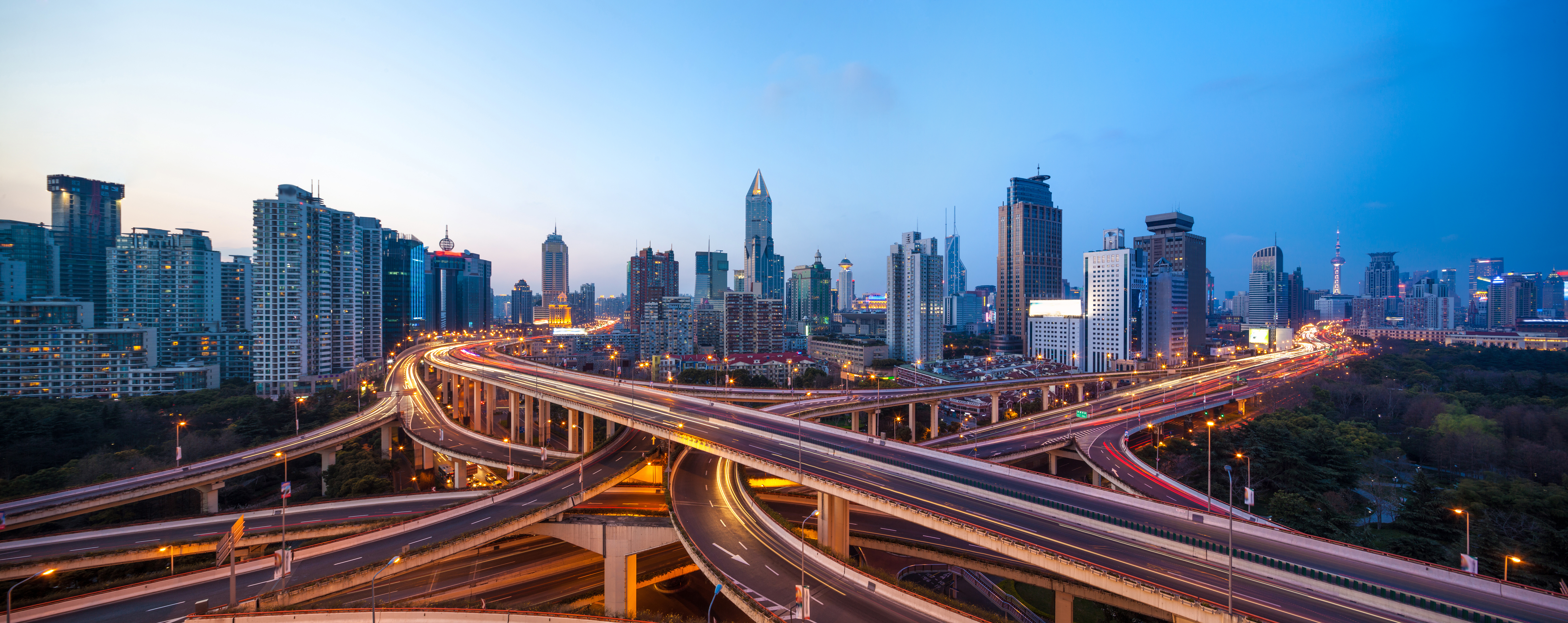

We live in a rapidly changing world, where the role of our buildings is constantly evolving. The definition of a “building” has transformed. What was once simply a structure with a roof and walls constructed for a particular purpose, is now so much more. Buildings are multi-functional spaces that support health and wellbeing. They are architectural feats that leverage the latest technology and innovation. They are the heart of modern human life.
With the onset of COVID-19, the role of our buildings transformed. Suddenly, office buildings were left empty, and dining tables were transformed into makeshift office spaces. Furthermore, measures such as lockdowns and social distancing emphasized the link between human health and the spaces we occupy.
The pandemic has undoubtedly had a profound impact on the way we use our buildings. Going forward then, how do we ensure our spaces will meet our future needs and also support Public Health?
This is where futureproofing can make a difference.
Futureproofing for resilient buildings
Essentially, futureproofing is the process of optimising design and construction to account for unpredictable and ongoing change.
The purpose of future proofing is to create resilient spaces that maximise the whole-life value of a building. The idea is to use thoughtful design and efficient systems that enable in-built flexibility to deliver long-term adaptability.
To effectively futureproof our buildings, we must take a holistic approach. There are many factors to consider – occupant behaviour, environmental impact, digital connectivity and system performance, to name a few. Buildings are an interconnected ecosystem, only by carefully considering each component can we start to create spaces that will support us now and in the future.
Benefits of Future Proofing
By using modern methods of construction such as off-site fabrication and cloud-based programming, many short-life parts of buildings can be optimised or replaced to extend lifespan and reduce costs.
Soon enough, green legislation will become a requirement in the construction industry. Sustainable systems tend to increase efficiency and lower environmental impact, resulting in more resilient spaces that are built to meet the growing need for more sustainable cities.
The systems in our buildings can be directly responsible for the spread of disease. Amidst a global pandemic, the need to create spaces that put human health first is more important than ever.
How can we futureproof our buildings?
Futureproofing our buildings involves integrating a variety of strategies and systems. Early engagement is key. First, we must create future-oriented designs, in order to then construct, install and maintain them.
Five principles to help you approach futureproofing:
If an unexpected pandemic has taught us one thing, it’s being prepared for the future. Incorporating multi-use spaces allows us to easily transform our buildings on a need-bases, for example, in case of an emergency or unprecedented natural disaster.
Furthermore, we can use flexible water and energy systems that align with occupant behaviour to support demand-base usage. This can help ensure better efficiency and maximum scope for use in the future.
When it comes to construction, efficient is resilient. The integration of modern methods of construction can help to increase productivity across the industry. Using more efficiency practices, such as off-site construction, can encourage widespread adoption across the supply chain.
The world is going greener. With the rise of global and regional sustainability initiatives, it’s time for developers to get ahead or fall behind. Green construction may soon become the norm and the integration of renewable energy sources, such as solar, will increase. Combined with the use of low carbon materials and systems, buildings can be constructed to support a circular economy model and reduce greenhouse gas emissions.
Our cities and systems are growing smarter every day. COVID-19 has accelerated digitalisation across industries, enabling the advancement of technology that can help create more efficient buildings. Cloud-based programming and smart systems allow for remote control and active performance management to optimise efficiency and reduce costs.
Our buildings are part of a larger ecosystems – our cities and our planet. Even in ancient civilizations, city planners implemented methods to control the spread of diseases. Today, health and wellbeing are more important than ever before. Prevention is the best cure, that’s why we should design and build health-centric spaces. We must ensure materials and products are fit for purpose so we can deliver safe and reliable spaces that comply with standard regulation.
Futureproofing and the role of drainage
What some people may not realise is that drainage plays a key role in futureproofing our buildings. Selecting poor systems can present long-term risks and have negative consequences for both occupants and owners.
By using high performing, fit for purpose solutions we can create buildings that can reduce the risk of potential public health hazards. For example, leak-proof systems prevent the flow of toxic gases into our buildings.
To create buildings that are truly optimised for the future, change is necessary. From policies to procedures, we must transform the way we work across the supply chain to focus on future benefits rather than present costs.
With the rise of green legislation, early adoption of more sustainable practices can have a transformative effect on businesses. By providing solutions that enable business to operate more sustainably, we are enhancing cross industry collaboration to create buildings, cities and communities that support the future needs of generations to come.